ServicesChlorine & Chloramine Removal
Chlorine & Chloramine Removal in Valrico
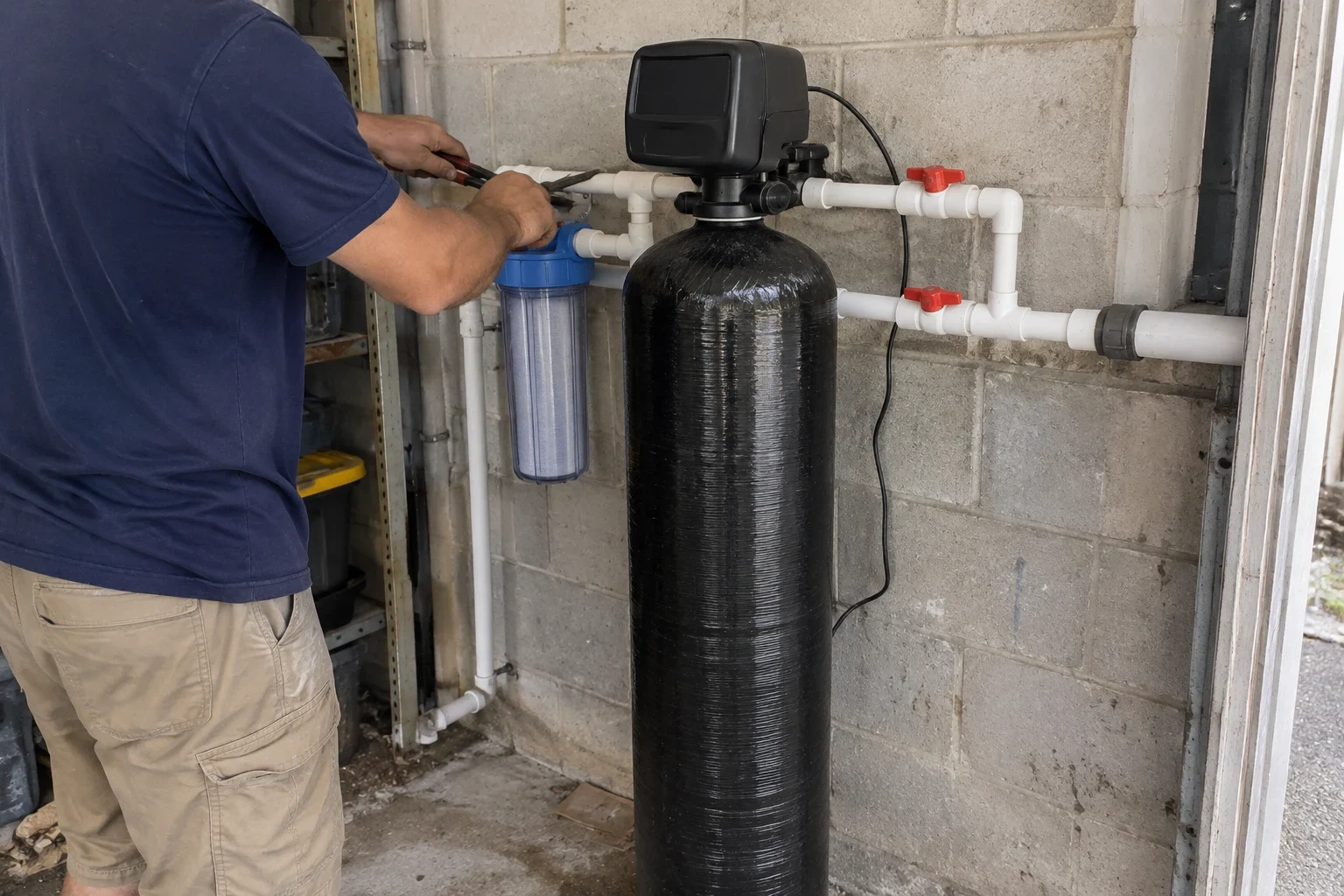
City water is disinfected for good reason, but the taste and smell often follow it into your shower and your glass. We install whole-home carbon systems that remove chlorine or chloramine at the point where water enters your home, using media chosen for the disinfectant your utility uses.
What this service does, and when it fits
Utilities add chlorine or chloramine so water stays safe on its way through miles of pipe. Once it reaches your home, that job is done. What remains is the smell in a hot shower, a flat or sharp taste in coffee and ice, and for some people dry skin and hair.
The two disinfectants behave differently, and that shapes the material we use. Free chlorine breaks down readily on ordinary activated carbon. Chloramine, a bond of chlorine and ammonia, is far more stubborn and needs catalytic carbon, a surface-treated grade that speeds the reaction, along with more contact time inside the tank. Your utility's annual water quality report says which one it uses, and we read it with you before recommending anything.
This is the right call when the water is otherwise in good shape and the complaint is taste, odor or the feel of it. If you also want drinking water polished further, an under-sink reverse osmosis unit pairs well with it.
What a carefully built system includes
- 01
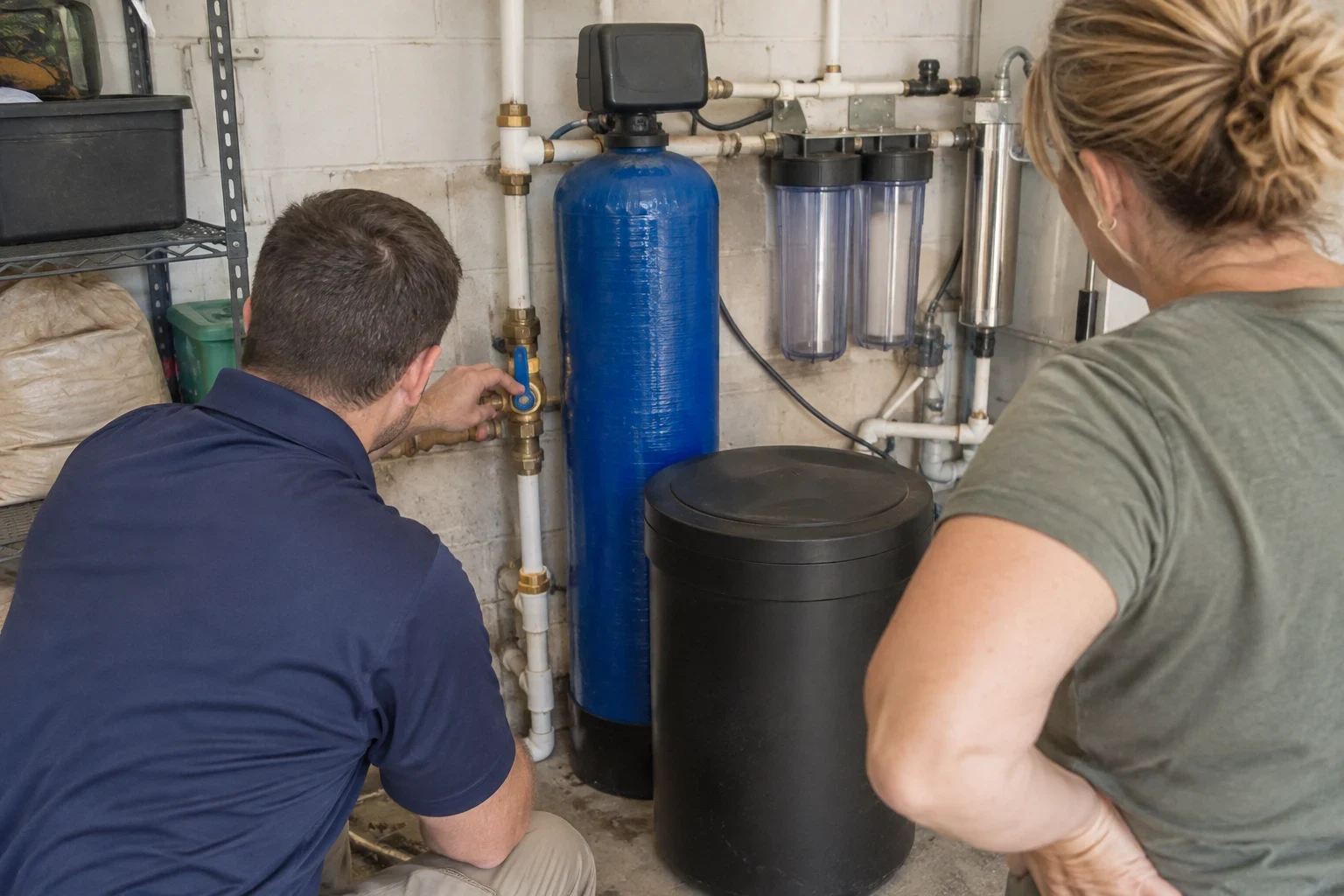
Carbon matched to the disinfectant
Chlorine gets standard coconut-shell carbon, and chloramine gets catalytic carbon. The catalytic grade is the pricier material, and we say so openly, but ordinary carbon wears out quickly against chloramine.
- 02
A tank sized to your peak flow
The carbon needs time with the water to do its job, so an undersized tank lets disinfectant slip past when several taps run at once. We count your bathrooms and fixtures and size the tank so the farthest shower still gets filtered water.
- 03
Lined composite tank
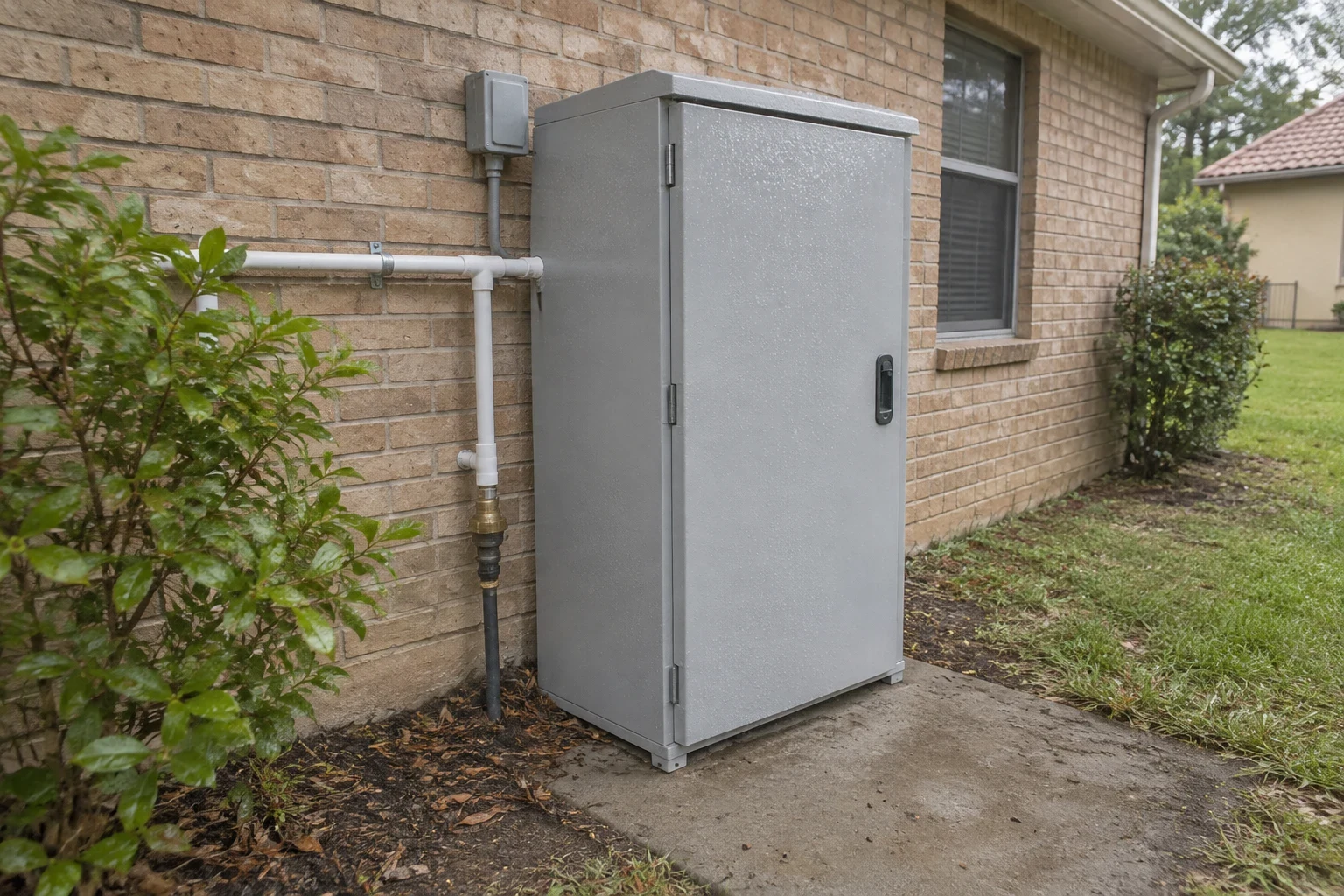
We set the media in a lined, corrosion-resistant composite tank that holds up in a hot garage or on an outdoor pad through the summer months.
- 04
Sediment pre-filter
A replaceable cartridge ahead of the carbon catches sand, rust flakes and loose scale from the pipes. Left unchecked, that debris clogs the bed, and water starts channeling through a few narrow paths rather than the full depth of media.
- 05
Bypass valve and clean connections
With a bypass valve, the system can be taken offline for service while the house keeps running water. Fittings are matched to the pipe already in your home, whether that is CPVC, PEX or copper.
- 06
Flushed before we leave
Fresh carbon gives off fine dust for a short while. We rinse the bed until the water runs clear and look over every joint for drips before handing the system to you.
Questions about Chlorine & Chloramine Removal?
Call(813) 535-3917Signs your water could use it
A pool smell in the shower
Warm water lets chlorine escape as vapor, which is why a steamy bathroom is usually the first place the smell gives itself away.
Coffee and tea taste off
Disinfectant flavor carries straight into anything brewed or frozen. Many people switch to bottled water for this reason alone.
Dry skin or brittle hair
Some households find chlorinated water harsh, especially on children or anyone with sensitive skin. Filtering at the main line treats every tap and shower.
Your carbon filter is not working
If you already have a carbon system and the smell came back early, it may be plain carbon facing chloramine. Swapping to catalytic media usually solves it.
Rubber parts wearing out
Chloramine is known to be hard on some rubber, including flapper valves and certain hose washers. Frequent toilet flapper replacements can be a clue.
How the work runs
- 1
Start with a phone call
Describe what you are tasting or smelling and which taps it shows up at. From there we cover the difference between chlorine and chloramine, the carbon grades that suit each, and whether treating the whole house makes sense for you.
- 2
A look at your plumbing
At your home we find the main line, usually in the garage or on an exterior wall since Florida homes have no basements. We note pipe size and material, the number of bathrooms and where the tank can sit with room for service.
- 3
A written recommendation
You get the media type, tank size and installation details in writing, with each part listed. No upsell to equipment your water does not call for.
- 4
Installation day
We shut off water briefly, cut in the bypass, set the pre-filter and tank, and flush the new carbon until it runs clear. Floors and walls near the work are protected, and we clean up before leaving.
- 5
Follow-up care
We show you the bypass and the pre-filter and explain when the carbon will need attention. Our ongoing customer support covers maintenance, filter replacements and service needs.
What moves the cost
Each system is priced from the water coming into your home and the house it has to serve. A few factors account for most of the gap between one quote and the next. We walk through each one with you before you commit to anything.
- Chlorine or chloramine
- Catalytic carbon is a more processed material than the standard grade. Chloramine also usually needs a deeper bed of it to keep up with the same flow, so both points raise the parts cost.
- Bathrooms and fixtures
- Three or four bathrooms can pull a lot of water at the same moment. Holding pressure and treatment steady through that peak calls for a bigger tank.
- Where the main line runs
- A main line on an open garage wall is a simple job. Moving pipe, working near finished rooms or building an outdoor pad takes more labor.
- Combining with a softener or RO
- When a water softener or an under-sink reverse osmosis unit goes in during the same trip, the layout and parts list shift. Handling both in one installation is often the sensible route, and we lay out what that involves.
Questions about chlorine and chloramine removal
Will a standard carbon filter remove chloramine?
Not well, and not for long. Ordinary activated carbon handles free chlorine easily but reacts slowly with chloramine. Catalytic carbon and a properly sized tank are what make chloramine removal hold up.
How long does the carbon last?
It depends on your water use, the tank size and the disinfectant level, so we size the bed with longevity in mind and give you a realistic expectation at installation. The sediment pre-filter is changed more often, and it is a simple job.
Is it a problem to remove the disinfectant inside my home?
The disinfectant has done its work by the time water reaches your meter. Water inside a home that is used daily keeps moving through the pipes. If you plan to be away for an extended stretch, running the taps for a minute when you return is a sensible habit.
Will it lower my water pressure?
With the tank matched to your fixtures, you should not feel a difference at the tap. When pressure does sag, the usual causes are a tank too small for the house or a pre-filter cartridge that is overdue for a change. That is why we size carefully and show you how to swap the cartridge yourself.
What is covered under warranty?
The whole-home treatment tank comes with a lifetime warranty. Separately, our installation work carries a 1-year workmanship warranty.
Ready for water without the pool smell
Tell us what you are noticing and we will explain which carbon suits your water and how the system would sit in your home.